in the context of the growth of global e-commerce and cross-border finance, taiwan vps cn2 high defense space has an increasingly important impact on cross-border payments and interface stability. this article evaluates network links, anti-ddos capabilities, delay fluctuations, and interface reliability from a technical and operational perspective. it aims to provide executable analysis and suggestions for payment system deployment and optimization, and help decision-makers weigh costs and availability risks.
when taiwan vps uses high-quality cn2 lines, it will bring more stable backbone routing and lower jitter, which is particularly critical for cross-border payment receipts and certificate handshakes. network interconnection points and bandwidth policies affect packet loss rate and peak delay. choosing appropriate egress paths and redundant lines can significantly reduce the impact of link jitter on interface calls.
high-defense space reduces the impact of large-scale ddos and abnormal traffic on payment interfaces through traffic cleaning, behavior identification and rate limiting. for online payment systems, keeping the front-end entrance stable can prevent transaction timeouts and rollbacks, improve transaction success rates, and protect the availability of downstream core interfaces and third-party gateways.
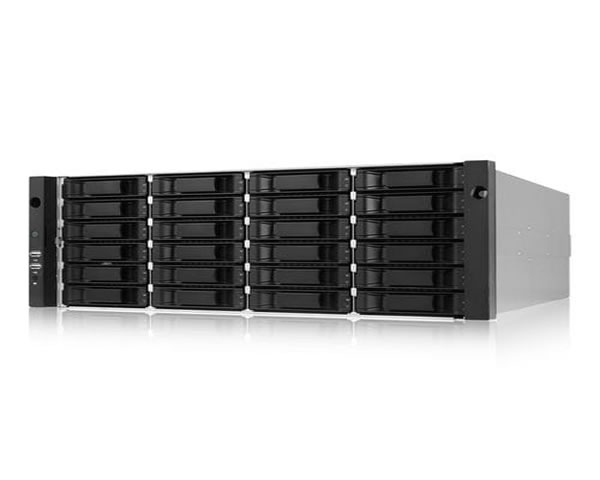
latency peaks and intermittent packet loss will lead to tls handshake failure, retry amplification and interface timeout, which directly affects the success rate of cross-border payments. the cn2 optimized path combined with the high-defense traffic policy can reduce jitter and sudden packet loss rate, and reduce the frequency of application layer retries and the probability of misjudgment by the payment gateway.
in the taiwan vps cn2 high-defense environment, it is necessary to adjust the tls session reuse, http/2 or http keep-alive policy of the application, and ensure that the api has an idempotent design and reasonable retry fallback. by combining short timeout and exponential backoff with idempotent tokens, repeated deductions and interface conflicts can be reduced.
stability relies on clear monitoring indicators and alarm thresholds, such as rtt quantile, packet loss rate, 5xx error rate and access traffic anomalies. capacity reservation and traffic cleaning rules should be formulated based on historical peaks and business slas, and fault drills and recovery tests should be conducted regularly to verify the effectiveness of high-defense strategies.
when selecting a taiwan node, you should evaluate the data transmission path and compliance requirements, clarify which data can flow across borders, and maintain logs and audits to comply with regulatory requirements. at the same time, multi-regional disaster recovery, third-party gateway redundancy and compliance fallback strategies need to be designed for cross-border payment interfaces to reduce the risk of legal and service interruptions.
overall, the combination of taiwan vps cn2 and high-defense space can effectively improve the pressure resistance and interface stability of cross-border payment links. however, technology selection should be based on traffic characteristics, compliance restrictions, and operation and maintenance capabilities: it is recommended to conduct link evaluation and attack drills first, set key indicators and alarms, optimize tls and retry strategies, and deploy multi-point disaster recovery to ensure security while improving payment success rate and user experience.
- Latest articles
- A Must-read Cloud Server For Newbies: Vietnam’s Billing Model And Selection List
- Full Process Guide For Purchasing And Performance Optimization Of VPS With Japanese Native IP
- An Explanation Of Vietnam’s Native Residential IP Pool Management And IP Rotation Strategies From The Perspective Of A Service Provider
- When Selecting Locations For Cloud Service Implementation, Consider Network Latency And Bandwidth Conditions In Computer Rooms In India And Germany.
- How To Buy A US VPS With Bitcoin While Protecting Anonymity And Compliance Risks
- Vps Cambodia Connection Domestic Access Speed Optimization And Node Selection Suggestions
- Main Points Of Fault Recovery And Multi-line Redundancy Design Of Hong Kong Telecom’s Direct-connected Computer Room
- Malaysia Vps Recommends Unlocking The Best Node And Configuration Guide For TikTok
- Step-by-step Implementation Of Korean Server And Chinese Email And Log Localization Settings
- Jay Chou Hong Kong Station Group Chat Group Commercial Cooperation Model And Brand Implantation Practical Cases
- Popular tags
-

How To Take Taiwan Server Two-way Cn2 Cloud Space Into Consideration When Building A High-reliability Service System
discuss how to incorporate taiwanese servers and two-way cn2 cloud space into the architecture design when building a high-reliability service system, and provide operational suggestions from the dimensions of network, redundancy, disaster recovery, security and compliance. -
A Must-read For Developers: Vps Taiwan Cn2 Deployment Automation And Ci Integration Methods
a practical guide for developers: implement deployment automation and ci integration on taiwan's cn2 line vps, covering network optimization, iac, pipeline design, security and monitoring best practices to help improve delivery efficiency and stability. -

Taiwan Server Two-way Cn2 Cloud Space Bandwidth Configuration And Billing Model Analysis
analyze the bandwidth configuration methods and common billing models of taiwan server bidirectional cn2 in the cloud space, including the characteristics and optimization suggestions of 95 peak, traffic-based and monthly subscription plans to help with selection and cost control.